

Comprehending the Goethe Certificate A1: A Comprehensive Guide
The Goethe Certificate A1 works as an essential stepping stone for individuals aspiring to discover the German language. Acknowledged globally, this accreditation not only assesses a learner's efficiency at the foundational level however likewise opens the door to further linguistic expedition. This article provides an overview of the Goethe Certificate A1, its significance, preparation methods, and answers to regularly asked concerns.
What is the Goethe Certificate A1?
The Goethe Certificate A1 is an official certification granted by the Goethe-Institut, an internationally recognized institution devoted to promoting the German language and culture. It corresponds to level A1 of the Common European Framework of Reference for Languages (CEFR), which categorizes language efficiency throughout six levels from A1 (beginner) to C2 (skilled).
Function and Importance
The main purposes of the Goethe Certificate A1 include:
Fundamental Language Skills: The certificate verifies the capability to understand and utilize everyday expressions in German. It covers basic conversational abilities, permitting individuals to interact in basic everyday circumstances.
Motivation to Learn: Achieving the A1 level can function as a motivational milestone, motivating students to pursue additional studies in the German language.
Cultural Integration: For individuals planning to relocate to German-speaking countries or engage more carefully with German culture, the A1 certificate represents a commitment to incorporating linguistically and socially.
What Does the A1 Exam Entail?
The Goethe Certificate A1 examination consists of 4 sections, each developed to examine various elements of language proficiency:
Listening Comprehension: This section tests the capability to comprehend spoken German in various contexts, such as discussion or directions, usually employing audio clips.
Reading Comprehension: Here, examinees check out short texts, such as advertisements or basic articles, and answer related questions to show understanding.
Composing: Candidates are charged with composing brief texts, like submitting forms or crafting simple messages, showcasing their ability to interact in composing.
Speaking: This practical section involves a discussion with a test supervisor or other examinee, where prospects react to concerns and engage in basic dialogue.
Structure of the Exam
The A1 evaluation is usually structured as follows:
Period: The entire exam lasts about 70 minutes, divided among the 4 sections.
Score: Each area is scored individually, and prospects typically need a minimum score to pass.
Grading: Results are provided on a scale that shows the level of efficiency attained.
Getting ready for the Goethe Certificate A1
Preparation is key for those wanting to clear the exam successfully. Here are some reliable methods:
1. Register in Language Classes
Signing up with certified language schools that offer courses particularly designed for the A1 level can provide structured knowing, access to resources, and accredited instructors.
2. Use Online Resources
Making use of online platforms can substantially boost language skills. Websites and applications that concentrate on German vocabulary, grammar, and conversational practice deal with newbies and use flexibility in learning.
3. Practice with Native Speakers
Engaging in conversation with native German speakers helps improve speaking skills and enhances cultural understanding. Language exchange programs, both in-person and online, are beneficial for acquiring useful experience.
4. Take Mock Exams
Practicing with past exam documents or mock tests will familiarize candidates with the exam format and time constraints. This preparation can assist build self-confidence before the actual exam.
5. Research study Groups
Joining or forming study groups permits students to share understanding, talk about uncertainties, and practice speaking skills in a helpful environment.
Benefits of Obtaining the Goethe Certificate A1
Obtaining the Goethe Certificate A1 provides different benefits, including:
Boosted Career Opportunities: For people seeking operate in German-speaking countries, this certificate can significantly improve job potential customers, especially in client service and hospitality functions.
Academic Opportunities: Many academic programs in German-speaking areas require evidence of language proficiency for admission factors to consider, making the A1 certificate an important possession.
Cultural Engagement: Possessing a formal credentials enriches an individual's ability to engage with German culture, literature, and society beyond simple standard communication.
Regularly Asked Questions (FAQs).
Q1: How long does it usually take to reach A1-level proficiency?
A1-level efficiency is generally achievable in about 80 to 150 hours of focused research study, depending on the individual's language-learning abilities and prior direct exposure to German.
Q2: Is the Goethe Certificate A1 acknowledged internationally?
Yes, the Goethe Certificate A1 is recognized by a variety of institutions and companies around the world as a main credentials of German language competency.
Q3: How can I sign up for the exam?
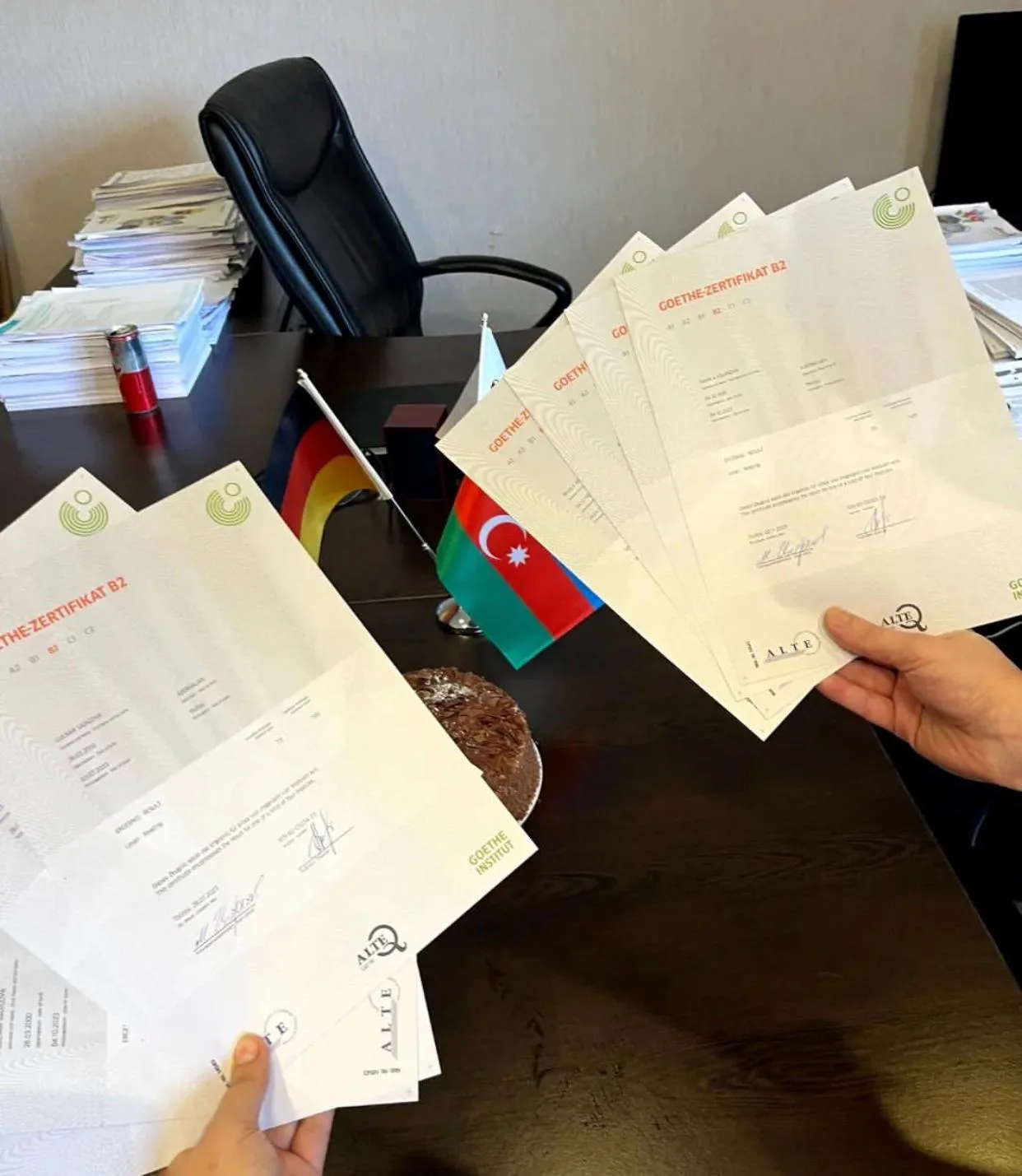
Goethe-Zertifikat B2 for the Goethe Certificate A1 can be done through regional Goethe-Institut branches or through their official website. It is suggested to examine particular eligibility criteria and schedules.
Q4: What resources can I use to prepare for the exam?
Advised resources include books focused on A1 students, language apps like Duolingo or Babbel, and online platforms that offer practice tests and exercises tailored for A1.
Q5: Can I take the exam online?
Currently, most Goethe Certificate A1 exams are carried out face to face, but it's a good idea to check the Goethe-Institut's official communications for any updates relating to remote testing choices.
Conclusion.
The Goethe Certificate A1 is an important certification for anybody embarking on their journey to find out the German language. It serves not just as a presentation of foundational language abilities but also as a passport to cultural combination and further educational opportunities. With correct preparation and commitment, attaining this certification can pave the way for a rewarding experience in the German-speaking world.